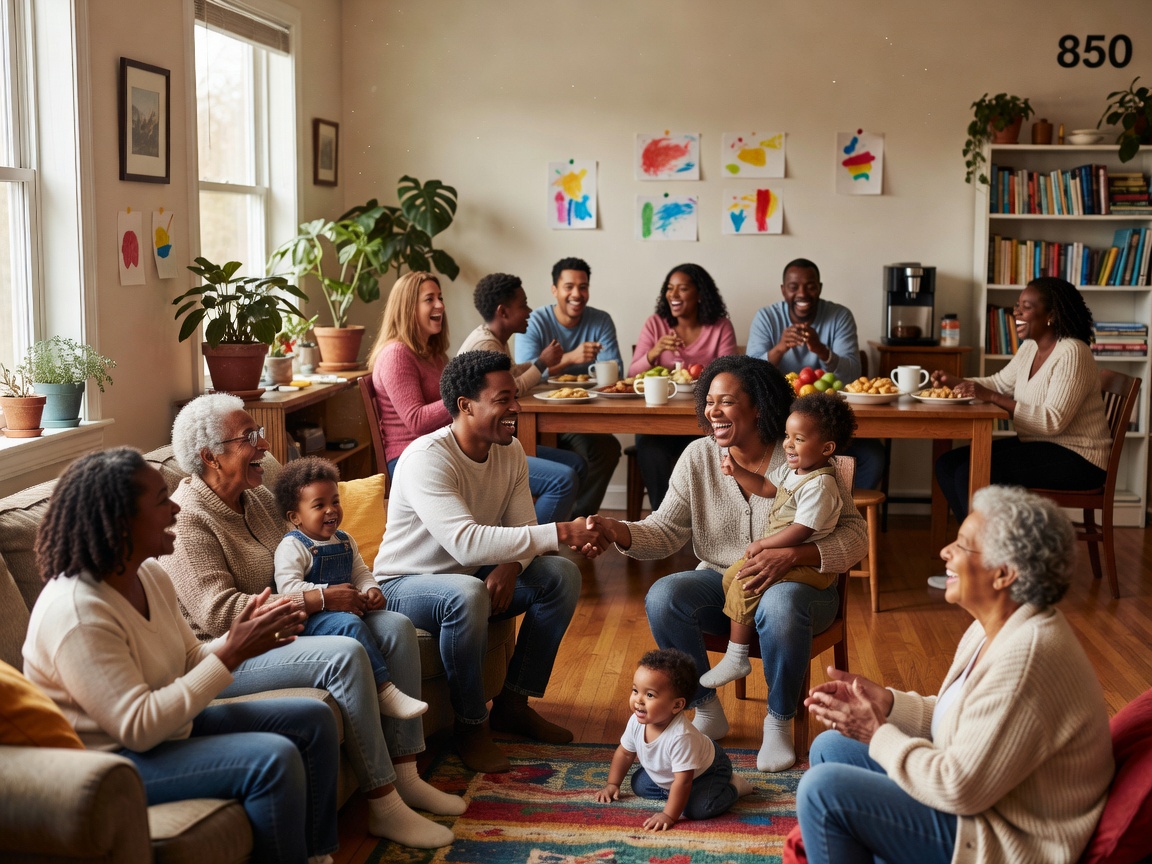
What makes an event community-based?
A family community event is organized around local participation, shared activities or a neighborhood setting. It may be hosted in a community center, library, cultural space, public square or family club. Formats include craft sessions, readings, informal gatherings, cultural activities and local activity programs.
The word community does not guarantee a particular organizer, audience or admission policy. Events may be run by independent groups, venues or other organizers. This guide is independent and does not represent a municipality or community organization. Check the event source for current details and responsibility for the program.
Venue type changes the day
Community centers can have flexible rooms and practical facilities. Check which rooms are in use, where the entrance is and whether the event is drop-in or scheduled. Libraries may offer reading or creative sessions in quieter surroundings. Confirm age guidance, noise expectations, food rules and whether a library card or booking is relevant.
Cultural spaces can combine family activities with exhibitions, performances or workshops. Ask whether children can move between areas and whether any part of the program has a set start time. A public square can provide room for open participation, but weather, seating, toilets and nearby traffic matter. Family clubs may offer recurring activities, but access and membership arrangements vary. Read the details rather than assuming drop-in access.
City, neighborhood and scale
Large cities may offer a wider mix of venue types and transport options. They can also involve longer journeys, multiple transit changes and busier public spaces. In a smaller city, a local venue may be easier to reach but have fewer program choices. These are broad planning considerations, not guarantees about any location.
Neighborhood matters. A venue within walking distance can reduce travel steps. A site across town may need a plan for transfers, parking, arrival time and the trip home. Check the address, entrance details and routes from a reliable current source. Consider whether the building is easy to identify once you arrive.
Event scale affects participation. A small gathering may leave more room for conversation and a flexible pace. A large public event can offer a broader activity mix but may draw more people and need clearer meeting arrangements. Seasonal programming can shift outdoors or indoors, change daylight needs and affect how long families want to stay.
Compare informal and scheduled formats
Drop-in gathering
Offers flexibility around arrival and departure. It can suit families with changing routines. Activities may be less structured and availability may depend on space or materials. Confirm whether registration is still required.
Scheduled local program
Has a defined start, activity and end point. It can help families plan time and transport. Late arrival may interrupt the session or prevent entry. Check the duration and any booking instructions.
Ask what participation means. Some events invite people to join at any point. Others expect a group to stay together. Find out if children must be accompanied and whether an adult is expected to take part.
Access, facilities and transport
Check step-free routes, lifts, accessible toilets, seating and the activity area. A venue may be accessible at its entrance but not in every room. Ask about sensory needs, quiet space and other adjustments that matter to your family. If information is not published, contact the organizer directly.
Facilities differ by building. Confirm toilets, baby-changing provision, drinking water, food policy and places to sit. Do not assume a public venue provides a family room. For outdoor events, check nearby facilities, shade and a wet-weather plan. Bring only what fits the conditions and any venue rules.
For transport, check the final approach as well as the main route. Consider stairs at stations, walking distance, parking restrictions and the timing of the return journey. If the event has no fixed entry time, choose an arrival window that gives your group time to settle.
Good for
- Families seeking local activities in a shared public or cultural space.
- Visitors who prefer flexible, short-format gatherings.
- Households exploring neighborhood programs and community participation.
What to know
Community events vary widely. Verify the organizer, access details, participation rules and facilities for the specific event. Do not assume a public location means open entry or municipal endorsement.